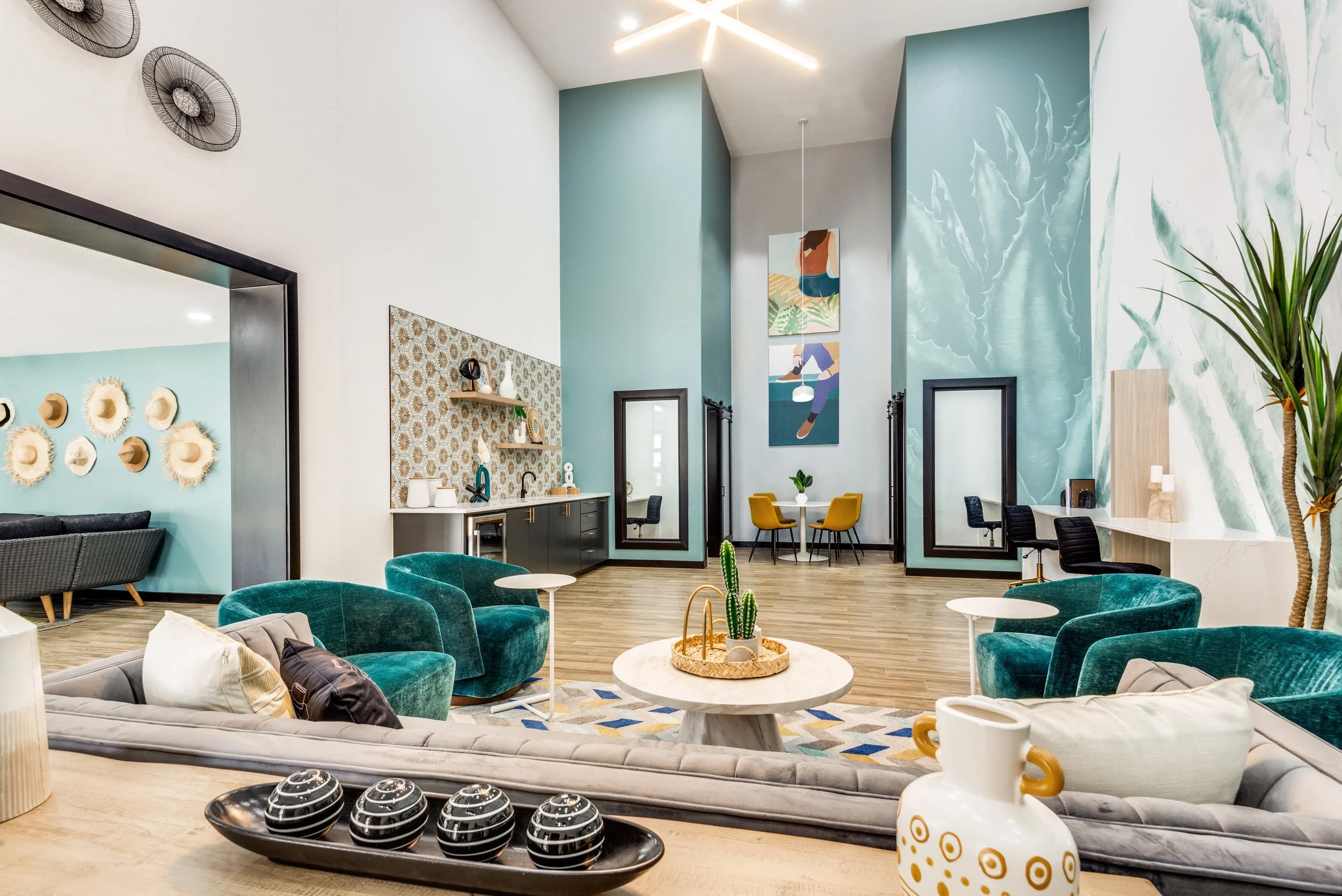
What Residents Expect From Amenity Spaces Today
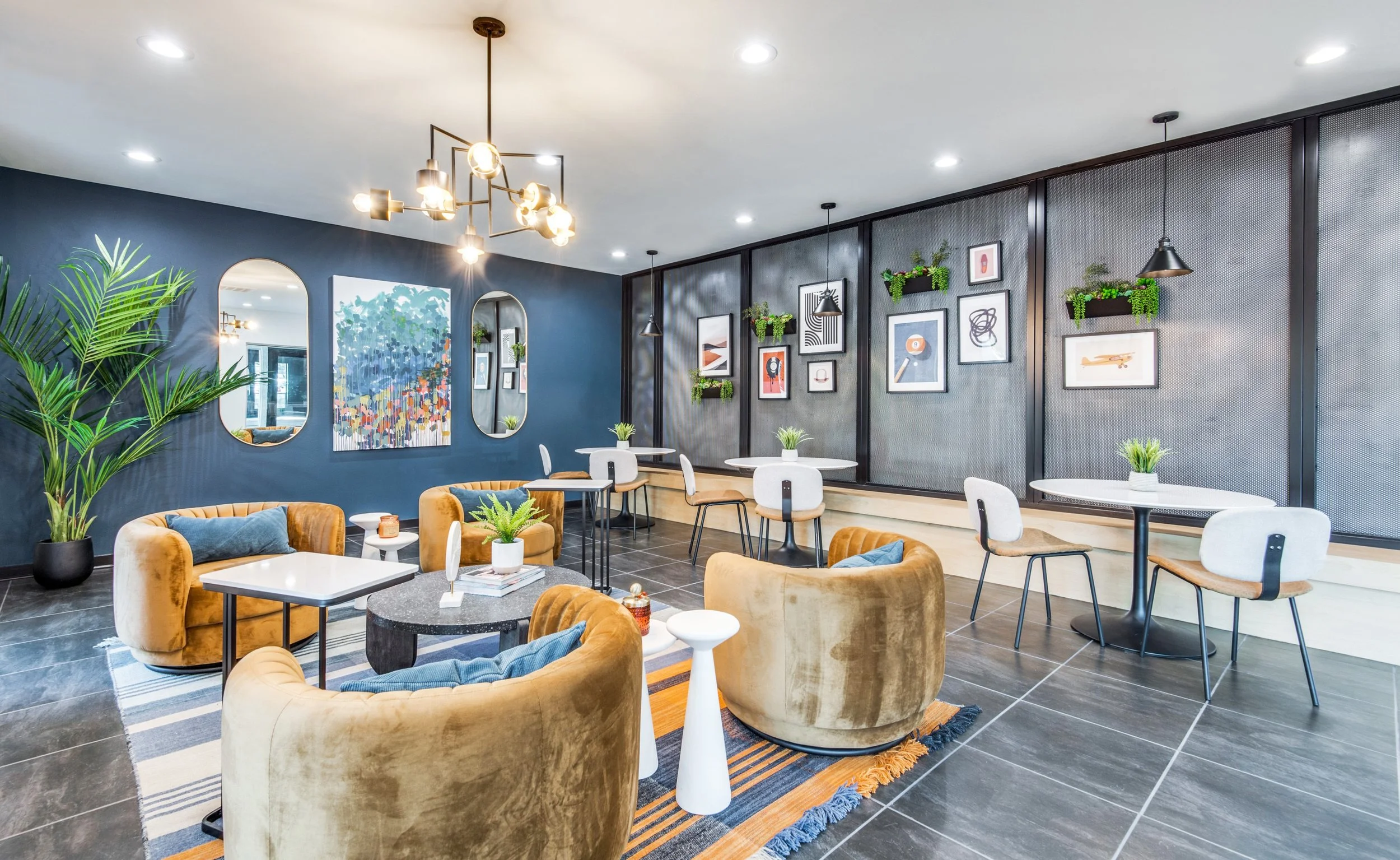
Over the last several years, multifamily amenity spaces have undergone a significant shift.
The biggest change isn't necessarily what amenities residents want. It's how they expect to use them.
Amenity spaces were once viewed primarily as leasing tools—spaces designed to impress prospective residents during a tour. Today, residents increasingly view these areas as extensions of their homes and expect them to support everyday life in meaningful ways.
As a result, the most successful amenity spaces are no longer designed around a single purpose.
They're designed to adapt.
A lounge may function as a coworking space in the morning, a casual meeting area in the afternoon, and a gathering place in the evening. A clubroom may host resident events while also serving as a comfortable destination for conversation, work, or relaxation throughout the day.
This flexibility has become one of the most important factors in the long-term success of an amenity space.
In our experience, spaces that support multiple types of use tend to remain active and relevant over time. Highly specialized amenity rooms often struggle to maintain the same level of engagement because they only serve residents during specific moments or activities.
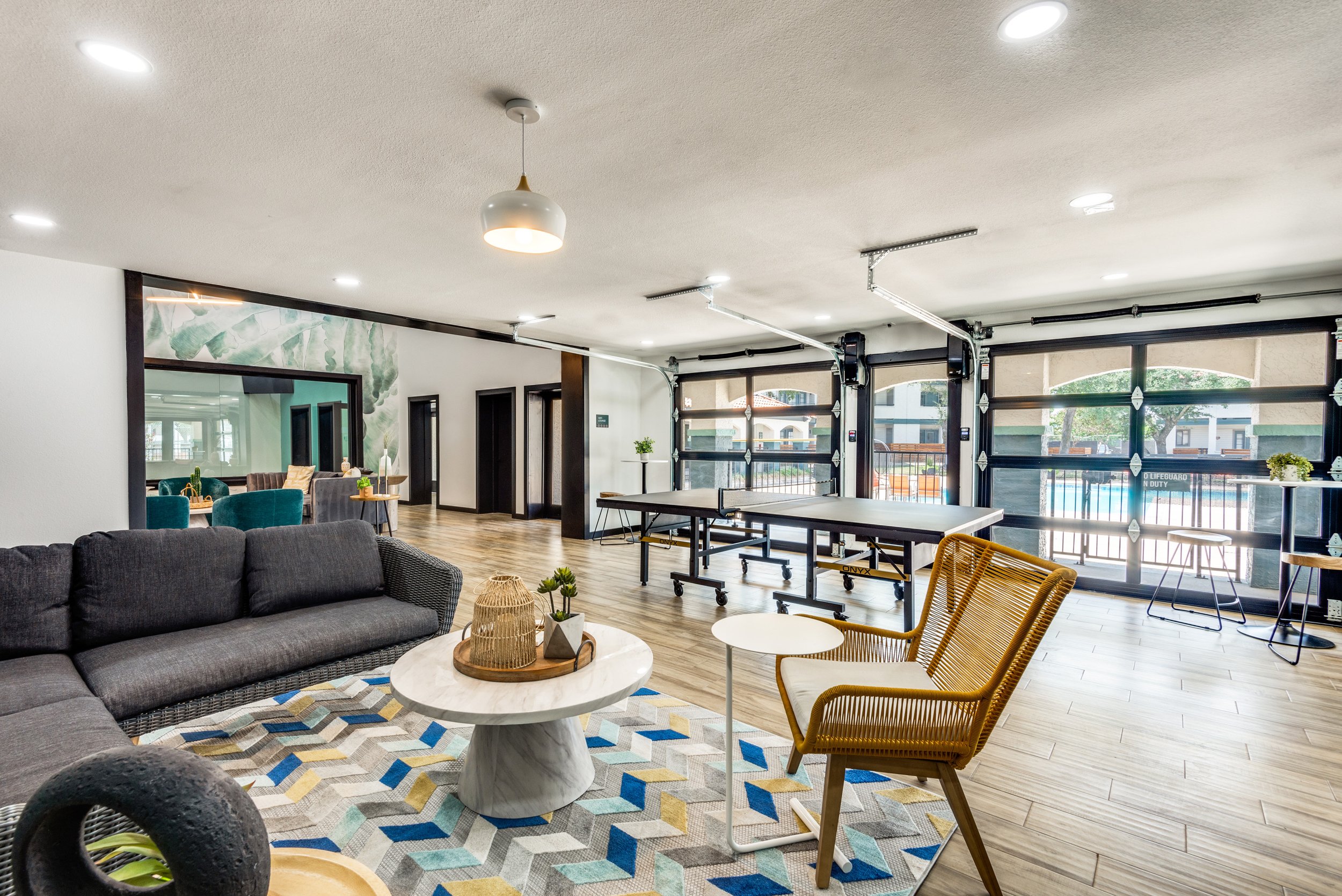
That reality has changed the way we approach amenity planning.
Successful amenity spaces begin long before furniture and finishes are selected. Layout and circulation are often just as important as aesthetics. Furniture planning, visibility, power access, acoustics, lighting, and the relationship between different activity zones all influence how comfortable and functional a space feels throughout the day.
Small planning decisions can have a significant impact on whether residents choose to use a space regularly—or bypass it altogether.
We're also seeing a greater emphasis on comfort and atmosphere.
As residents spend more time working, gathering, and relaxing in shared spaces, factors such as seating comfort, lighting quality, material warmth, and acoustics play a much larger role in the overall success of an environment. Spaces that feel welcoming and comfortable naturally encourage longer use and stronger engagement.
Technology expectations have evolved as well, though often in less dramatic ways than many anticipated.
Reliable Wi-Fi, integrated charging opportunities, access control, and infrastructure that supports remote work tend to have a greater impact on everyday resident satisfaction than flashy technology features that may see limited use after the initial novelty wears off.
At the same time, residents continue to value opportunities for connection and community. Fitness centers, outdoor gathering spaces, coffee areas, lounges, and clubrooms remain important because they create places for people to interact, recharge, and engage with their community.
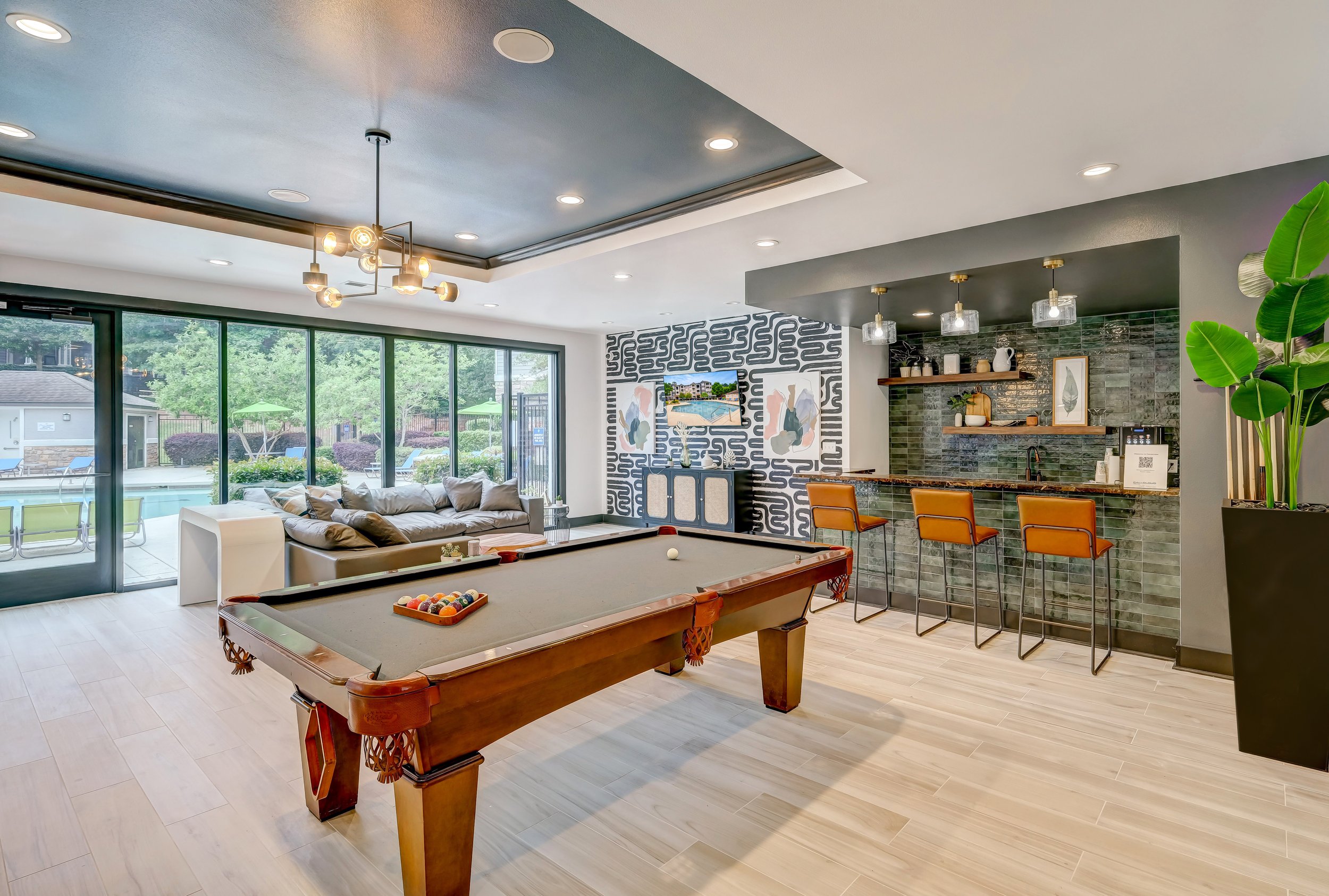
For owners and operators, these changing expectations present an opportunity.
In many cases, improving the performance of an amenity space doesn't require a complete redevelopment. Thoughtful space planning, targeted renovations, and a clear understanding of resident behavior can often create meaningful improvements without extensive construction.
The most successful amenity spaces aren't necessarily the newest, largest, or most expensive.
They're the spaces residents naturally choose to use because they support the way people actually live.
At True Interiors, we believe successful multifamily design starts with understanding both the resident experience and the operational realities of the property. When those priorities align, amenity spaces become more than beautiful environments—they become valuable tools that support leasing, resident satisfaction, and long-term asset performance.